

31 Jul A Beginner’s Guide to Applied Behavior Analysis (ABA) Therapy
If you’re a parent or caregiver of a child recently diagnosed with autism, you’ve probably come across the term Applied Behavior Analysis or ABA therapy. At first glance, it can sound a bit clinical or even overwhelming—but don’t worry. In this post, we’ll break it down in simple terms: what ABA is, how it works, and why so many families have found it helpful.
What is ABA Therapy?
Applied Behavior Analysis (ABA) is a therapy based on the science of learning and behavior. Simply put, it’s a method that helps us understand how behavior works, why it happens, and how we can encourage positive behavior while reducing behaviors that might be harmful or disruptive.
In the context of autism, ABA is tailored to help children learn and improve in areas like communication, social skills, daily living activities, and even academics. It’s not a one-size-fits-all approach—it’s highly personalized to each child’s needs.

How Does ABA Therapy Work?
One of the things that makes ABA unique is its structure. It’s built around setting clear goals, tracking progress, and using positive reinforcement.
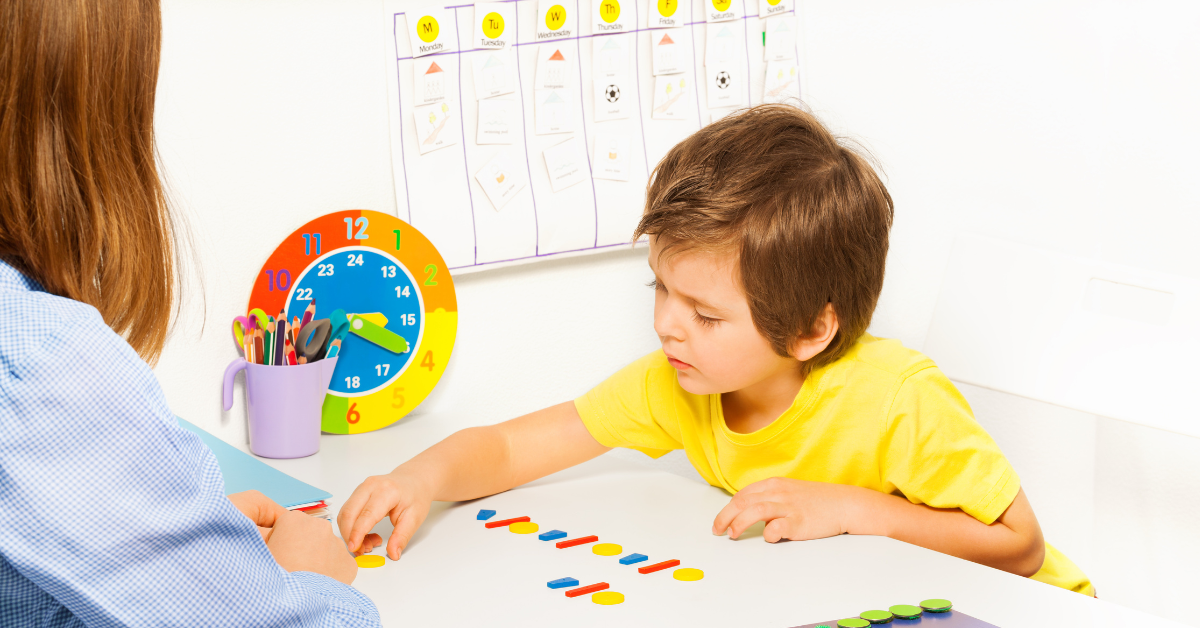
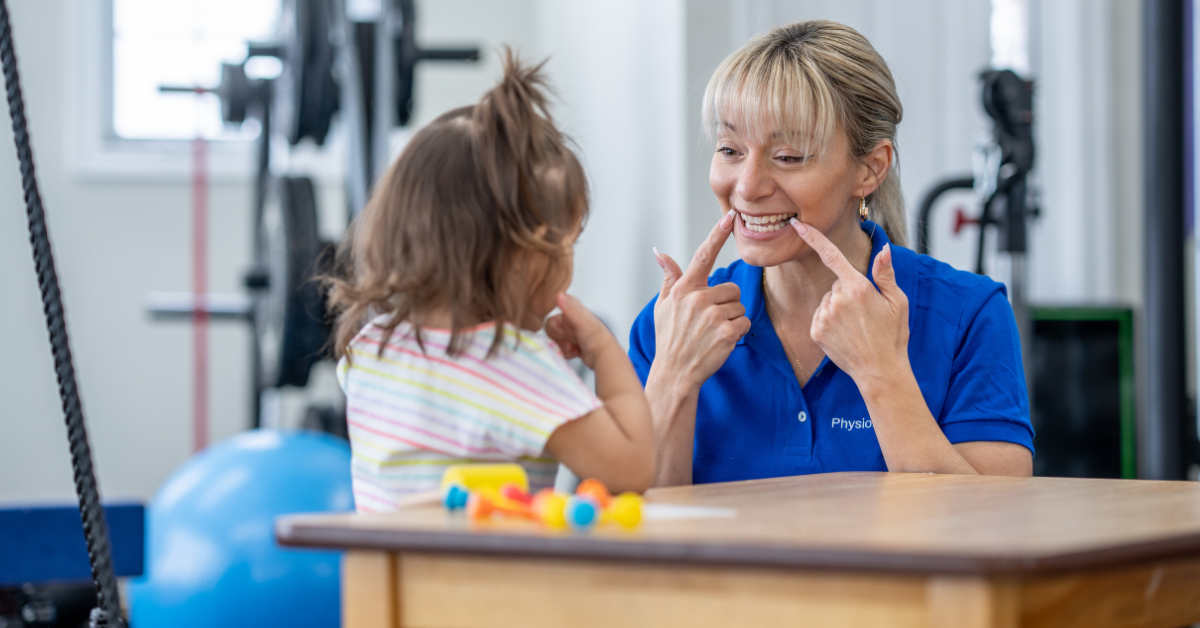
Here’s a basic idea of how a session might look:
Break Down the Skill
A therapist breaks a skill down into small, manageable steps.
One-on-One Practice
They work with the child one-on-one, practicing the skill repeatedly.
Positive Reinforcement
When the child performs the behavior correctly, they receive something motivating—this could be praise, a toy, or a favorite activity.
Building Independence
Over time, the child learns to perform the skill independently.
Some children may receive ABA therapy for a few hours a week, while others may benefit from more intensive, daily sessions. It all depends on what’s appropriate for them.
Why is ABA Considered Effective?
The reason ABA therapy is so widely used is that it’s evidence-based—meaning there’s a lot of research behind it. Studies have shown that early, consistent ABA therapy can lead to significant improvements in communication, social interaction, learning skills, and even behavior reduction for many children with autism.
It’s not about changing who the child is, but about helping them learn the skills they need to thrive in everyday life. Whether it’s teaching a toddler how to request a snack or helping an older child navigate peer relationships, ABA can be a powerful tool.
What Should Parents Look For?
If you’re considering ABA therapy for your child, here are a few things to keep in mind:
- Credentials matter: Look for Board Certified Behavior Analysts (BCBAs) overseeing your child’s program.
- Collaboration is key: A good ABA provider will work closely with you to set goals that matter most for your family.
- Progress should be measurable: You should receive regular updates on how your child is doing and what’s next.
ABA therapy isn’t magic, and it doesn’t deliver overnight results—but when done well and with care, it can make a big difference. It’s about supporting your child in ways that are meaningful to them, helping them reach their potential one small step at a time.
If you’re just starting this journey, take a deep breath. It’s okay not to have all the answers right away. The most important thing is that you’re here, seeking to understand and support your child. That’s the best beginning anyone could ask for.
Sorry, the comment form is closed at this time.