08 Oct What Is Autism?- Understanding Autism and Potential Contributing Factors
Take the First Step Toward Understanding and Support
Every journey begins with awareness. Contact Sallyz Center for Autism to schedule a consultation and explore how we can help your child thrive.
At Sallyz Center for Autism, we believe that knowledge is the first step toward understanding, acceptance, and support. Autism is a word many families hear for the first time during their child’s developmental journey, and it often brings a mix of questions and emotions.
In this article, we’ll break down what autism is, and what current research tells us about potential contributing factors.
What Is Autism?
Autism, or Autism Spectrum Disorder (ASD), is a developmental condition that affects how a person communicates, interacts, and experiences the world. The term “spectrum” reflects the wide range of strengths and challenges individuals with autism may have.
- Some children may have strong language skills, while others may communicate in non-vocal ways.
- Some may thrive in structured environments, while others need flexibility and sensory supports.
Every person with autism is unique, and their needs are just as individual as they are.
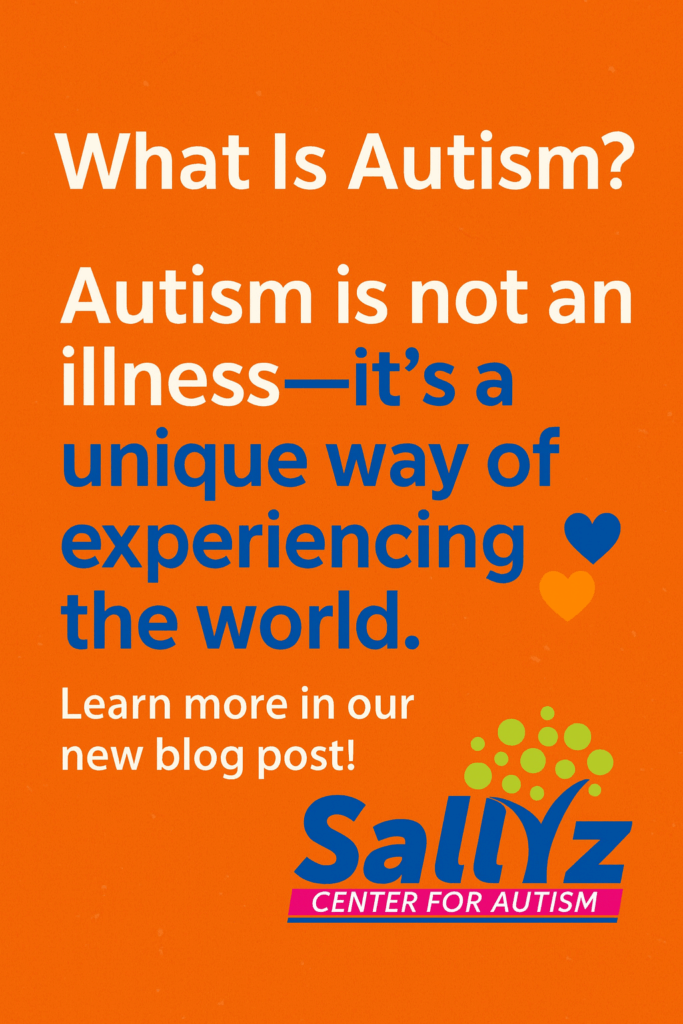
At its core, autism is not an illness to be “cured,” but rather a neurological difference that shapes how a person learns, processes, and engages. Early intervention, therapy, and family support can make a big difference in helping children reach their fullest potential.


Signs and Characteristics
Though every child is different, common characteristics of autism may include:
- Differences in communication (delayed speech, difficulty with back-and-forth conversation, or using gestures instead of words)
- Differences in social interaction (challenges with eye contact, limited interest in peers, or preference for routines)
- Repetitive behaviors (lining up toys, repeating words, or strong interest in specific topics)
- Sensory sensitivities (being highly sensitive or under-sensitive to sounds, lights, textures, or movement)
It’s important to remember that autism looks different in every child, and only a qualified professional can make a diagnosis.
What Causes Autism? Understanding Contributing Factors
One of the most common questions families ask is: What causes autism?
The truth is, there is no single cause. Instead, research shows autism develops from a combination of factors.
1. Genetics
- Studies suggest that genetics play a significant role in autism.
- Certain genes may increase the likelihood of autism, especially when combined with other factors.
- Autism can sometimes run in families, though the expression may vary greatly from one person to another.
2. Brain Development
Differences in brain growth and connectivity have been observed in individuals with autism.
These differences may influence how a child processes information, communicates, and responds to their environment.
3. Environmental Influences
- Researchers are studying how prenatal and early life factors might contribute. Examples include parental age at conception, complications during pregnancy or birth, and exposure to certain environmental factors.
- It is important to note that vaccines do not cause autism—extensive research has proven this conclusively, nor does any specific medication.
4. Complex Interactions
- Autism is best understood as the result of both genetic and environmental influences working together.
- No single factor alone “causes” autism, and research continues to explore how these factors interact.
Why Understanding Matters
For families, knowing that autism is not caused by parenting style or personal choice can bring relief. Awareness of contributing factors helps reduce stigma and allows us to focus on what truly matters: providing support, therapy, and acceptance.
At Sallyz Center for Autism, we are committed to supporting children and families every step of the way. Our team provides individualized therapy and family education to empower children with autism to grow, learn, and thrive.
Final Thoughts
Autism is a lifelong journey, but it is also one filled with growth, progress, and celebration of unique strengths. While science continues to uncover more about the contributing factors, what remains clear is that early intervention, love, and community support make a lasting difference.
If you have questions about autism or want to learn more about our services, we welcome you to connect with our team at Sallyz Center for Autism.
Sorry, the comment form is closed at this time.